Loading...
Serving Pleasanton, CA and surrounding areas. (925) 468-2460
Advanced Pleasanton Masonry is the masonry contractor Hayward homeowners call for driveway pavers, retaining wall construction, concrete repair, and tuckpointing - serving homes in the flatlands and Hayward Hills since 2018, with free written estimates and a crew that understands what the local clay soil, Hayward Fault proximity, and wet East Bay winters do to masonry over time.
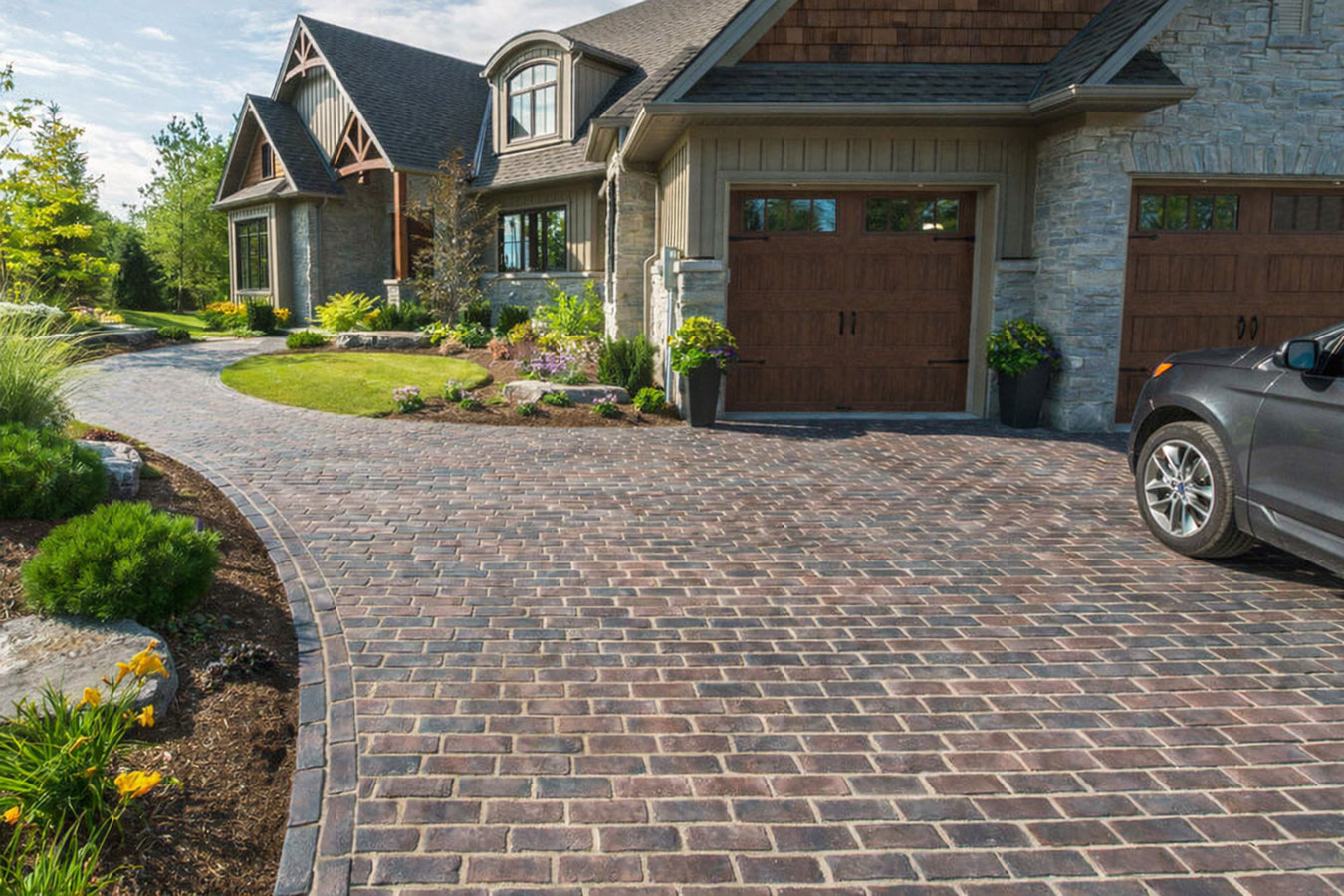
Hayward's older flatland neighborhoods are full of concrete driveways poured in the 1950s and 1960s that are cracked, heaved, and well past their useful life. Upgrading to paver systems gives these homes better drainage, a more durable surface, and a look that fits the neighborhood. Learn about our driveway paver services.
Homes in the Hayward Hills sit on sloped lots where retaining walls manage hillside pressure and prevent erosion. Many of the original block and poured concrete walls in this area were built decades ago and are now showing cracks, lean, or displacement from wet-season soil movement.
Hayward sits directly on the Hayward Fault, and even minor seismic activity can open new cracks in foundations built 50 or more years ago. The combination of fault proximity and expansive clay soils puts Hayward foundations under more stress than in most East Bay cities.
Older brick and block homes throughout Hayward have mortar joints that have eroded over decades of wet winters and dry summers. Failing mortar lets moisture into the wall assembly, which accelerates brick spalling and interior water damage, especially in the flatland neighborhoods where drainage can be slow.
Cracked and uneven front walkways are a common sight on Hayward homes from the 1950s and 1960s, where clay soil heaving has lifted sections above adjacent slabs. Replacing them with a properly prepared base prevents the same heaving problem from recurring in the next decade.
Hayward has a mix of older single-family homes and small apartment buildings with brick exterior elements and chimney stacks that have taken decades of earthquake tremors and wet winters. Spalling bricks and cracked courses need attention before moisture infiltration damages the structure behind them.
A large share of Hayward's housing was built between the 1940s and 1970s, which puts most of the city's homes in the 50-to-80-year range. Concrete driveways, walkways, and flatwork from that era were poured on whatever subgrade was available - often dense clay that was never properly stabilized. Over five or six decades, the combination of clay soil movement, wet winters, and dry summers has worked on that concrete from below, causing cracking, heaving, and surface spalling that worsens every year it is left unaddressed.
The Hayward Fault runs directly through the city, and seismic activity - even small tremors that residents barely feel - adds cyclic stress to foundations and masonry that compounds the soil movement problem. Homeowners in Hayward also deal with two distinct zones: the flat neighborhoods near the bay, where drainage is slow and soils stay saturated longer after winter storms, and the Hayward Hills, where sloped lots and retaining walls take the brunt of hillside erosion and pressure from saturated soil. A masonry contractor who has not worked in both zones will miss details that matter for the long-term performance of any repair or new installation.
Our crew works throughout Hayward regularly, and we understand the local conditions that affect masonry work here. Hayward is one of the larger cities in Alameda County, with about 160,000 residents spread across flatland blocks near the bay and hillside neighborhoods to the east. The flatlands - concentrated around areas like Jackson Street and the neighborhoods between Mission Boulevard and the Hayward Regional Shoreline - have dense blocks of older single-family homes and small multi-unit buildings, most of them built in the postwar decades. The Hayward Hills, accessible via roads like Foothill Boulevard, have larger lots, steeper grades, and homes from the 1960s through the 1990s on retaining-walled terrain.
When we pull permits for Hayward projects, we work with the Hayward Building and Planning Division, which handles all building permits for work in the city. Cal State East Bay sits prominently on the hillside above the city and is a reference point our crew uses regularly when navigating jobs in the upper neighborhoods. We serve neighboring Union City and Castro Valley as well, which gives us a good read on how the local conditions shift as you move across this part of the East Bay.
Reach us by phone or through the contact form and we will respond within 1 business day. Tell us what you are seeing - cracked driveway, leaning retaining wall, spalling brick - and we will schedule an on-site visit at a time that works for you.
A member of our crew visits your property, evaluates the scope of work, and explains the options. You receive a written estimate before we leave - no surprises on cost, and no pressure to decide on the spot.
Once you approve the estimate, we schedule your job and confirm the start date. For most residential masonry projects in Hayward, work begins within 1 to 2 weeks. We let you know right away if anything changes.
When the job is done, we walk the site with you to confirm everything meets the scope we agreed on. Cleanup is part of every job - we leave the property in the same condition we found it, minus the problem you called about.
We serve homeowners throughout Hayward - flatlands and hills. Free written estimates, no obligation.
(925) 468-2460Hayward is one of the larger cities in Alameda County, with approximately 160,000 residents along the eastern shore of San Francisco Bay. It grew rapidly during the postwar years and into the 1970s, leaving it with a housing stock that is predominantly 50 to 80 years old. The city divides into two distinct zones - the dense flatland neighborhoods near the bay, where older single-family homes and small rental buildings line grid streets, and the Hayward Hills to the east, where larger lots, steep grades, and hillside landscaping are the norm. Cal State East Bay sits prominently on the hillside and is one of the city's most visible landmarks. Nearby Fremont to the south shares many of the same housing stock and soil characteristics, making it a common part of our East Bay service area.
The Hayward Regional Shoreline is one of the city's best-known public spaces - a large open space preserve along the bay that residents use year-round for walking and biking. The neighborhoods closest to the shoreline sit on some of the lowest-lying land in the city, where drainage is slowest and soil moisture levels stay elevated the longest after winter storms. That geographic reality shapes what kinds of masonry problems homeowners in those areas encounter most often - standing water against foundations, cracked flatwork from soil expansion, and retaining walls under hillside pressure are all common calls we receive from across this city.
Restore your foundation's strength and protect your home's long-term stability.
Learn MoreBuild strong retaining walls that control erosion and define your landscape.
Learn MoreTransform exterior or interior surfaces with beautiful natural stone veneer.
Learn MoreConstruct solid, low-maintenance concrete block walls for any application.
Learn MoreBuild reliable block foundation walls engineered for lasting structural support.
Learn MoreCreate a custom outdoor kitchen built for entertaining and built to last.
Learn MoreDesign and build inviting walkways that add curb appeal and safe footing.
Learn MoreInstall classic brick walls that combine timeless style with lasting strength.
Learn MoreRepair and repoint brick joints to prevent moisture damage and deterioration.
Learn MoreCall us today or request a free estimate online - we respond within 1 business day and serve all of Hayward, from the flatlands to the hills.