
Loading...
Serving Pleasanton, CA and surrounding areas. (925) 468-2460
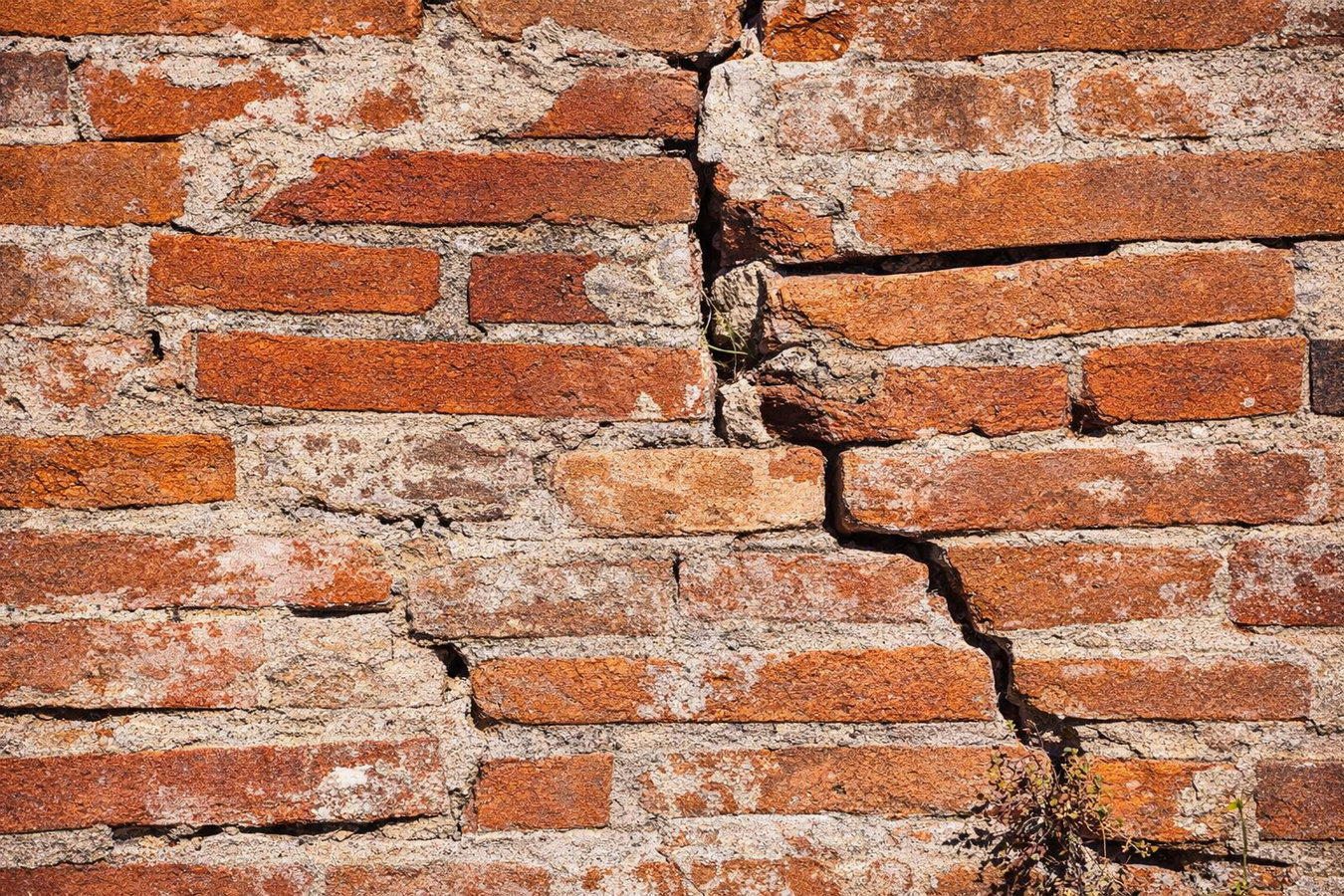
Cracks, sticking doors, and uneven floors are signs your foundation needs attention. We diagnose the problem, pull the permit, and fix it right the first time.
Foundation repair in Pleasanton stabilizes the underlying cause of a shifting or cracking foundation - most often expansive Tri-Valley clay soil - and most residential jobs take one to three days.
If you are seeing sticking doors, diagonal wall cracks, or sloping floors, the clay soil beneath your home is likely the culprit. Pleasanton's soil swells every winter when the rains arrive and shrinks back every summer - and that cycle puts your foundation under constant stress. The longer you wait, the more that movement compounds. You can also learn more about how foundation block wall installation works alongside repair to protect your home's perimeter.
A good repair does not just patch what is visible. It addresses the root cause - whether that is soil instability, poor drainage, or seismic damage from the Calaveras or Hayward fault systems - so the problem does not return. According to the California Geological Survey, expansive soils affect a large portion of the Bay Area, and Pleasanton sits squarely in that zone.
If doors or windows that used to work fine have started sticking, dragging, or leaving gaps, your home's frame may be shifting. In Pleasanton, this often happens after a wet winter followed by a dry summer, when the clay soil beneath the foundation has gone through a full cycle of swelling and shrinking.
Diagonal cracks running at a 45-degree angle from the corners of door frames or windows are a classic sign of foundation movement. Cracks wider than a quarter-inch, or cracks that are growing over time, deserve a professional look. Take a photo with a coin next to the crack so you can track whether it is getting larger.
If you notice a visible slope when walking from one room to another, the foundation beneath that section may have settled unevenly. Pleasanton's clay soil can settle at different rates in different spots, especially near areas where water drains or pools after rain.
Separation between your interior walls and the ceiling, or between the baseboard and the floor, suggests the structure is pulling apart in ways it should not be. If you see gaps wider than a credit card, have a contractor take a look before the movement goes further.
We offer the full range of residential foundation repair methods used in the Pleasanton area. Pier systems - helical piers and push piers - are the most common approach for homes experiencing settling or sinking. We drive piers deep into stable soil beneath your home to stop movement and, in many cases, restore the structure toward its original elevation. For crawl space or basement walls that are bowing inward, wall anchors and carbon fiber straps provide a non-invasive reinforcement solution. When the cause is soil pressure or water intrusion rather than structural failure, chimney repair is sometimes needed alongside foundation work to address related masonry damage at the roofline.
We also handle concrete crack injection with polyurethane foam or epoxy for smaller hairline cracks that have not yet progressed to structural movement, drainage correction and grading work to redirect water away from the foundation, and slab lifting for settled concrete flatwork near the home. Every job starts with a thorough inspection so the repair method matches the actual problem.
Best for homes experiencing active settling, sinking, or significant structural shifting.
Suited for crawl space or basement walls that are bowing inward from soil pressure.
Ideal for smaller cracks that have stabilized and need to be sealed against water entry.
For homes where water pooling near the foundation is accelerating soil movement.
Pleasanton sits in the Tri-Valley area on expansive clay soil that swells with winter rain and shrinks in the dry summer heat. That annual cycle is the single biggest driver of foundation problems for local homeowners. Most of Pleasanton's housing stock was built between the 1960s and 1990s on foundations that were not designed to handle decades of that kind of movement, making homes in this age range especially susceptible. Homeowners in Livermore face the same clay soil conditions, and we serve that area regularly.
The seismic picture adds another layer. Pleasanton is within reach of both the Calaveras and Hayward fault systems, and California's building standards require that structural repairs in seismically active areas meet earthquake safety requirements. A repair that accounts only for soil movement and ignores the seismic context is not a complete repair. We also work in Dublin, where homes share the same soil and seismic conditions as Pleasanton and often need the same range of repairs.
When you call, expect a brief conversation about what you're seeing and how long it has been happening. We schedule an on-site visit - typically within a few days. This first visit is free and comes with no obligation.
We walk the interior and exterior, check floor levels, and examine the foundation from any crawl space access. You receive a written estimate that breaks down what needs to be done and why. A thorough inspection takes one to two hours.
For most structural foundation work in Pleasanton, we apply for a building permit through the City of Pleasanton's Building and Safety Division before any work begins. We handle this - you do not need to contact the building department.
The crew works outside and underneath the home - most homeowners can stay in the house. After the structural work is complete, the city inspector verifies the repair meets code. You receive copies of the permit, inspection sign-off, and warranty.
We inspect your foundation, explain exactly what we find, and give you a clear written quote with no pressure to book. Replies within 1 business day.
(925) 468-2460You can look up our California contractor license on the Contractors State License Board website in about thirty seconds. We carry the classification required for structural foundation work in Pleasanton, along with full liability insurance and bonding.
We handle the entire permit process with the City of Pleasanton's Building and Safety Division. When the job is done, you have official city documentation that the repair was inspected and approved - which protects your home's value at resale.
Every estimate is itemized - each repair listed with its cost explained - before we start any work. The number you approve is the number you pay. We explain two or three repair options where applicable so you can decide at your own pace.
Pleasanton's expansive clay soil is the root cause of most local foundation problems. We have been working with this soil since 2018 and account for seismic zone requirements from the Calaveras and Hayward fault systems in every repair design.
These are not just selling points - they are the things that matter when a major structural repair does not go as planned. You can verify our license on the California Contractors State License Board before you call, and you should.
Repoint mortar, replace caps, reline flues, and address water damage on chimneys throughout Pleasanton.
Learn MoreNew concrete block wall systems that reinforce and extend your home's foundation perimeter.
Learn MoreOur crews are booking now for the dry-season repair window - the best time to get this done right. Call or submit a request and we will reply within 1 business day.