Loading...
Serving Pleasanton, CA and surrounding areas. (925) 468-2460
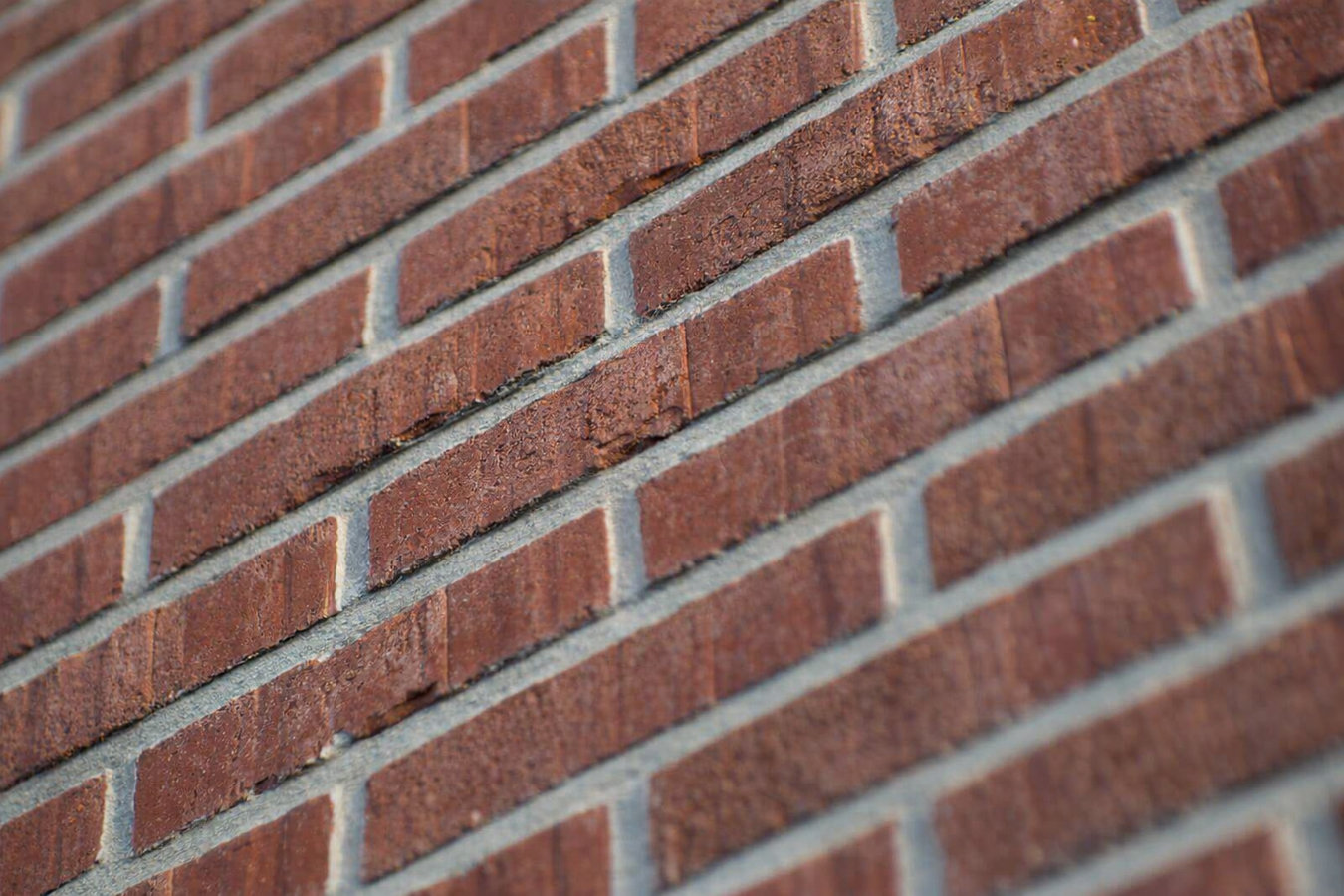
Crumbling or missing mortar lets water in every rainy season. We remove the damaged material and pack in fresh mortar matched to your home - before the next Pleasanton winter arrives.
Brick pointing in Pleasanton is the process of removing deteriorated mortar from the joints between bricks and replacing it with fresh material - most single chimneys or small wall sections take one to two days, with larger projects running three to five days depending on how much mortar needs replacing and site access.
The mortar between your bricks is not just filler - it is the layer that keeps water out and holds everything together. Mortar is softer than brick by design, acting as a sacrificial layer so the bricks themselves do not crack. After 20 to 30 years, that mortar starts to fail - and Pleasanton's cycle of hot dry summers followed by wet winters is one of the most reliable ways to accelerate that wear. A lot of homes in neighborhoods like Vintage Hills and Birdland were built in the 1970s and 1980s, meaning original chimney and retaining wall mortar is now right in the range where repointing becomes necessary rather than optional.
If the mortar has been failing for a while and bricks are starting to shift or spall, you may also need our foundation repair or general tuckpointing service - we can assess both during the same site visit.
Run your finger along the mortar on your chimney, retaining wall, or brick steps. If the mortar feels soft, crumbles away, or you can push a key more than a quarter inch into the joint, it is letting water in with every rain. Pleasanton winters are wet enough to cause real damage if those gaps stay open.
That chalky residue on brick - called efflorescence - is mineral salt left behind when water moves through the wall and evaporates on the surface. It is a reliable sign that moisture is getting in through failing joints. North-facing walls and surfaces near downspouts are especially prone to this in Pleasanton wet winters.
Chimneys take more abuse than any other brick surface - fully exposed to sun, rain, and temperature swings year-round. If the mortar on your chimney looks noticeably more worn or cracked than lower brickwork, the chimney is almost certainly where attention is needed first. This is especially common in Pleasanton homes built in the 1970s and 1980s.
If any bricks appear to be bulging slightly or sitting proud of the surrounding surface, water has already gotten behind the wall and may be causing structural damage. This is more urgent than crumbling mortar alone - it means the wall structure is being affected, and a mason should look at it soon.
We handle repointing on chimneys, garden and retaining walls, brick veneers, steps, and decorative brick elements throughout Pleasanton and the surrounding Tri-Valley cities. The process is consistent: grind or chisel out the old mortar to the correct depth, clean the joints, and pack in fresh mortar in layers matched to the original joint profile. Mortar color matching is part of every job - finished joints should blend in, not stand out. In HOA-governed Pleasanton neighborhoods, we confirm the mortar color and finish style before any tool touches the wall. We can also pair repointing with foundation repair if the assessment reveals movement below grade contributing to the joint damage.
For homeowners who need broader mortar restoration across multiple surfaces - not just one wall or one chimney - our tuckpointing service covers the same type of work at a larger project scale. We can assess your specific situation during the estimate visit and recommend the right scope.
Best for homeowners with Pleasanton homes built in the 1970s or 1980s where original chimney mortar is now 40-plus years old and showing wear from decades of heat and rain cycles.
Best for homeowners whose garden or retaining walls show crumbling or recessed joints - often the result of Pleasanton clay soil movement expanding and contracting against the wall base over many years.
Best for homeowners who want to restore the appearance and weather resistance of decorative brick veneers, planters, or entry steps before a wet season or before listing the home.
Pleasanton sits in the Tri-Valley and experiences a specific wear pattern that accelerates mortar deterioration faster than many Bay Area cities. Hot, dry summers bake mortar for months, then cool wet winters soak it from November through March. That repeated expansion and contraction breaks down the bond between mortar and brick over time - and west-facing walls that take the full afternoon sun tend to show the most damage first. Much of Pleasanton's residential housing stock was built between the 1970s and 1990s, which means a large share of original chimney and retaining wall mortar is now 30 to 50 years old - right in the window where repointing becomes a maintenance item rather than a future consideration. Homeowners in Dublin and Livermore are in the same Tri-Valley climate and face the same wear timeline on homes built in the same era.
Clay-heavy soils under parts of the Tri-Valley add another layer of stress. Those soils expand when wet and shrink when dry, which puts extra pressure on anything connected to the ground - including chimneys attached to foundations and retaining walls. Catching mortar failure early, when only a portion of the joints are showing wear, is far cheaper than waiting until the wall starts shifting. Early repointing is a maintenance cost; late repointing can become a structural repair. Pleasanton is also a community where HOA rules in many neighborhoods - Vintage Hills, Birdland, and areas near Stoneridge among them - may govern mortar color and joint finish style. We match existing mortar and confirm finish style before work begins.
Contact us by phone or the online form and expect a response within one business day. We will ask a few quick questions about the surface type, size, and any specific damage you have noticed - and we will schedule a site visit before giving you any price.
A mason walks the area with you, checks how deep the mortar damage goes, looks for loose bricks or structural concerns, and assesses whether the existing mortar color and texture can be matched. You receive a written estimate - no vague phone quotes, no surprises later.
We grind or chisel old mortar to the right depth, clean the joints, and pack in fresh mortar in careful layers matched to the original profile. A standard chimney or small wall section typically takes one to two days - you do not need to leave your home during the work.
Fresh mortar needs at least 24 to 48 hours before it gets wet, and up to 28 days to reach full strength. We walk through the finished work with you and explain what to avoid during the curing period before the crew leaves the site.
Free on-site estimate - we walk the area with you and give you a written quote before you commit to anything.
(925) 468-2460Good repointing blends in - the joints are the same width and depth as the originals and the mortar color is a close match. We confirm color and finish style before grinding out a single joint, which is especially important in Pleasanton HOA communities where exterior appearance rules can require a redo if the match is off.
Mortar work varies too much to price accurately from a description alone. Every job starts with a mason walking the area in person to assess how much mortar actually needs replacing, whether any bricks are loose, and whether there are structural concerns to address. You receive a written estimate - not a ballpark number - before any commitment.
A large share of Pleasanton homes were built in the 1970s through 1990s, and the mortar from that era uses formulas no longer recommended for Bay Area climate conditions. We know what that older mortar looks like, how it fails, and how to replace it with a mix suited to Pleasanton's seasonal swings.
Our repointing work follows the technical standards published by the Brick Industry Association, the primary authority on brick and masonry maintenance in the US. That means correct mortar depth, proper layering, and joint profiles matched to the original construction - not shortcuts that look fine now and crack in two years.
Brick pointing is one of those jobs where the quality difference between a careful mason and a rushed one shows up two winters later. We would rather do it right once than have you calling us back to redo it.
For technical standards on mortar and repointing, the Brick Industry Association publishes detailed technical notes on brick construction and maintenance. For permit questions specific to Pleasanton, the City of Pleasanton Building Safety Division is the right starting point.
Address structural movement below grade that may be contributing to recurring mortar failure in walls and chimneys.
Learn MoreBroader mortar restoration work across multiple surfaces when repointing needs to cover more than one wall or chimney.
Learn MoreMortar needs dry conditions to cure - fall slots fill quickly, and winter work is weather-dependent. Call now to lock in your date.